
AI agent vs. AI assistant: not the same thing
When discussing AI, two terms are often mixed up: assistant and agent. At first glance they sound similar, but in practice they represent fundamentally different concepts.
An AI assistant is a tool that responds to user requests. It answers questions, generates text or code, and helps with analysis. However, it is reactive — without a prompt, it does nothing. It waits for instructions and then responds.
AI Virtual Staff, on the other hand, is closer to the concept of an agent. Its role is not only to react, but to act. It can work with tools, track goals, and execute a series of steps without a human directing every detail. In practice, this means it can process new leads, prepare reports, notify the team, or trigger another process. It is not a one-time answer — it is continuous work aimed at achieving a result.
Simply put: the assistant helps, the agent executes tasks.
AI Virtual Staff needs tools and permissions
One important thing many companies realize only during implementation is simple: AI without access to tools is still just a chatbot.
A true AI Virtual Staff starts working only when it is connected to company systems and has clearly defined permissions. It needs access to data and workflows to do more than just answer questions.
In practice, this means integrations with CRM systems, help desks, analytics tools, or internal databases. Thanks to them, it can not only generate text but also create records, update data, or trigger processes. This is where a tool becomes a virtual team member.
Human-in-the-loop: people remain part of the process
One of the biggest myths is the idea that AI Virtual Staff works completely without people. In reality, it’s the opposite.
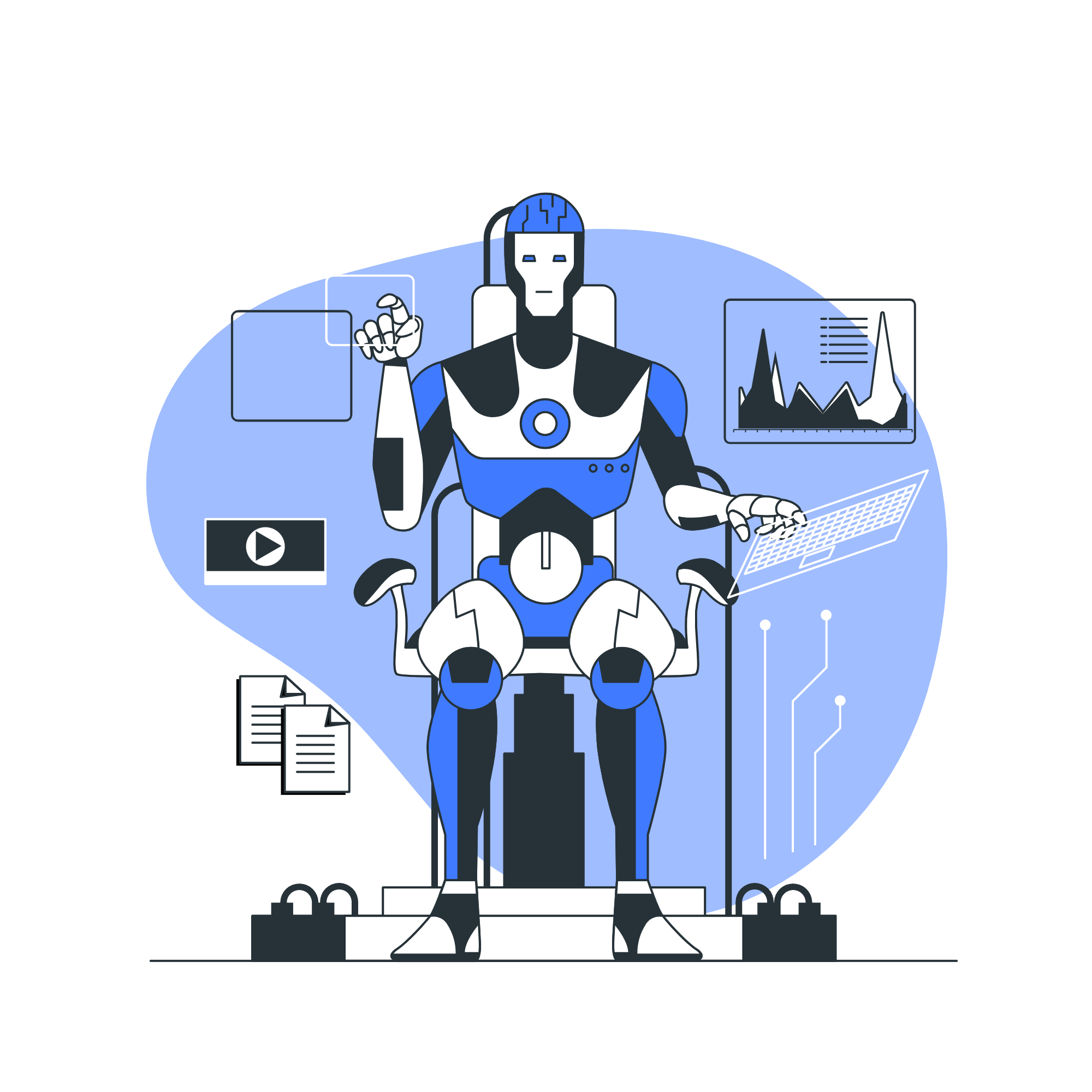
The most successful implementations are built on the human-in-the-loop principle. AI prepares a draft, performs a task, or recommends a solution, but a human still has the ability to approve, adjust, or stop the result. This model combines the speed of automation with human judgment and responsibility.
Thanks to feedback, the system gradually improves while remaining under control. This approach is one of the main reasons why AI Virtual Staff builds trust instead of fear.
Typical deployment models
AI Virtual Staff usually appears in companies gradually. It is rarely a radical overnight change. Most often, it is deployed as an extension of existing processes.
In internal teams, it often automates routine operational tasks such as reports, analysis, or data processing. In customer support, it helps classify tickets, prepare draft responses, and escalate complex cases. In sales and marketing, it helps qualify leads, prepare personalized communication, and analyze campaigns.
In all cases, the principle is the same: it is not about replacing people, but expanding the team’s capacity.
The most common AI Virtual Staff failures
Interestingly, the biggest problems in AI adoption usually do not relate to the technology. They relate to expectations.
Companies often try to automate too many things at once and expect immediate results. In practice, AI works best when deployed gradually. Clear goal definition is equally important — AI needs to know what it should do, what the outcome should be, and where the boundaries are.
Another common issue is trying to apply AI to broken processes. Technology cannot fix chaos — it can only accelerate it. Finally, full autonomy without human oversight sounds appealing but brings risks in practice. The best results always come from collaboration between humans and AI.
What AI Virtual Staff definitely is not
It is equally important to talk about what this term does not mean. AI Virtual Staff is not a replacement for entire teams nor a universal solution to every problem. It is not a “plug and play” technology that can be switched on without integration and setup.
In reality, it is a tool that increases productivity and accelerates processes. Its value emerges only in combination with existing teams, data, and workflows.
Conclusion: team expansion, not replacement
AI Virtual Staff does not mean a future without people. It means a future where people do less routine work and more decision-making.
Companies that understand this difference can use AI in a practical, safe, and effective way. And that is where real value is created.